
Men cannot influence whether they develop prostate cancer, nor whether it will be low risk or aggressive. But, with the help of governments and other policy makers, they can influence whether the cancer is detected early.
If prostate cancer is diagnosed at an early stage, a man’s chances of survival are much greater.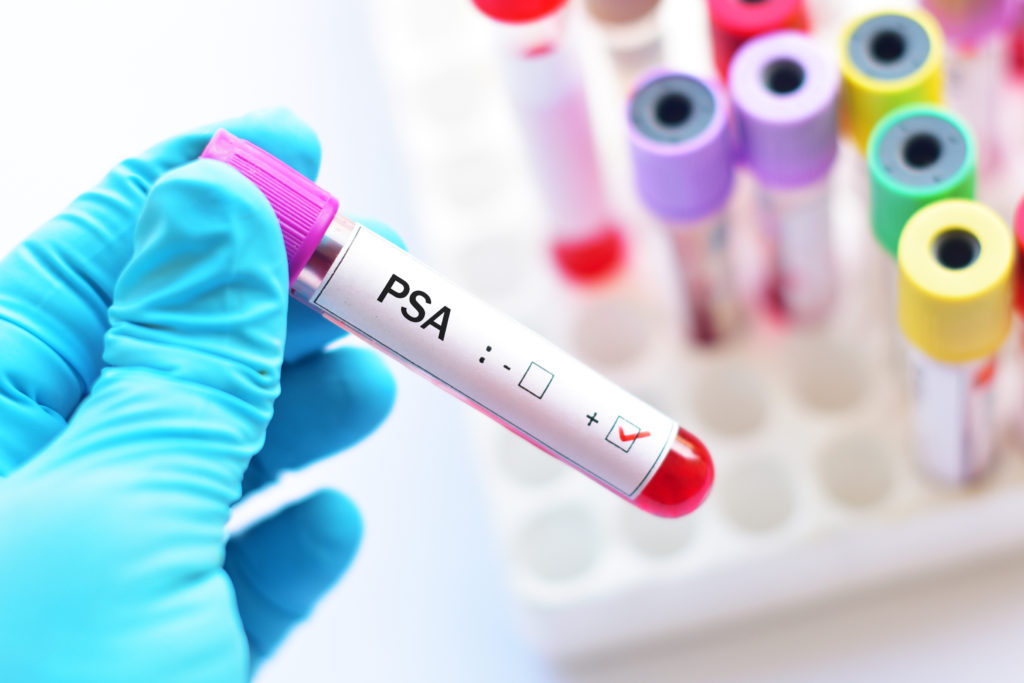
Quality of life is also likely to be affected far less if the cancer has not spread. Detection in an advanced or metastatic phase can mean a lifetime of hormone treatment with side effects such as impotence, fatigue, osteoporosis and loss of libido. In later treatment phases, chemotherapy brings other side effects.
Europa Uomo and its member organisations are at the forefront campaigning to introduce effective programmes of early detection across Europe.
Screening programmes based on PSA testing
Europa Uomo, along with Europe’s association for urologists (the EAU), are campaigning for screening programmes for prostate cancer to be introduced across Europe. This should be based on organised testing of prostate specific antigen (PSA) levels in the blood of men who are believed to be more at risk. This "risk stratified" approach, involving scans and possibly biopsies for those who have raised PSA levels, is the most effective way of reducing prostate cancer mortality without unnecessarily testing and treating men whose disease is never likely to harm them.
Evidence has shown that, provided prostate cancer screening is administered correctly, it saves as many lives – if not more – than screening for colon or breast cancer. This is without even taking into account the quality of life benefits that early diagnosis brings.
What we want
Europa Uomo is promoting informed PSA-led early detection. This means that governments and healthcare professionals need to inform men about the PSA test, inform them of the risks and benefits, and if appropriate actively encourage them to have the test.
It is important that informed men are actively encouraged by their government and healthcare professionals to test their PSA level. The scientifically based advice on when to test is described in EAU guidelines.
If there is a suspicion of prostate cancer based on the PSA test, a multiparametric MRI scan should be performed before deciding on a biopsy.
These steps are likely to result in a major reduction in overtreatment and a significant increase in early diagnosis.
Current challenges
- Access to PSA testing is discouraged in some EU countries with public authorities refusing to reimburse PSA testing
- There is often a lack of information about prostate cancer risks and the effectiveness of early detection and treatment
- Some public health authorities are failing to see the economic benefits of early detection programmes. The treatment costs of metastatic prostate cancer is a huge multiple of organised screening costs
Next steps
Following a decision by the European Commission that prostate cancer screening should be recommended across Europe, Europa Uomo is contributing to a major project assessing how organised screening programmes might be introduced in practice across Europe. This PRAISE-U project is due to be completed in 2026, and could pave the way for national prostate cancer screening programmes to be introduced across Europe.