|
In this issue:
|
|
|
|
|
Living with Prostate Cancer
A new initiative to support men and their loved ones
|
|
|
|
|
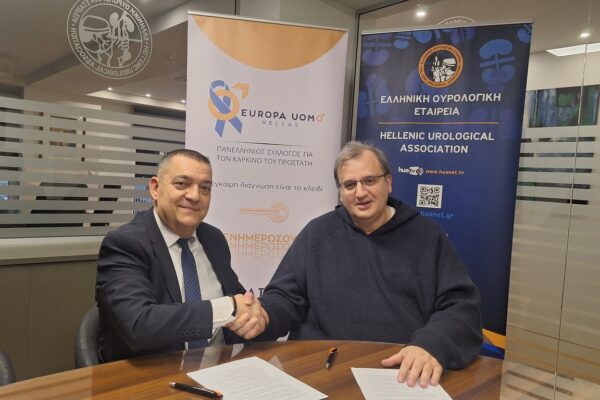
Signing of a Cooperation Agreement between the Hellenic Urological Association and Europa Uomo Hellas on Prostate Cancer
|
|
|
Prostate Research and Treatments
Promising New Immunotherapy for Advanced Prostate Cancer
Early research into a new drug, VIR-5500, is generating excitement among cancer experts. The treatment is a form of immunotherapy that helps the body’s immune system target and destroy prostate cancer cells—an approach that has traditionally been less effective for this disease.
In a small phase 1 trial involving men with advanced, treatment-resistant prostate cancer, the drug showed encouraging results. Most patients experienced only mild side effects, and many saw significant drops in PSA levels, a key marker of the disease. Some patients also showed tumor shrinkage, with one case reporting complete disappearance of liver tumors.
While the findings are described as “stunning,” researchers stress that this is still early-stage research. Larger trials are now planned to confirm the drug’s effectiveness and long-term benefits.
If successful, VIR-5500 could mark an important step forward in treating advanced prostate cancer.
Read the article here.
|
|
|
PSMA Therapy May Delay Hormone Treatment in Prostate Cancer
A new study led by Radboudumc (NL) suggests that PSMA therapy could delay the need for hormone treatment in early metastatic prostate cancer.
PSMA therapy uses a mildly radioactive substance to target and destroy cancer cells from within. Previously used for advanced cases, researchers now tested it earlier in patients with limited metastases (up to five).
In the study of 58 men, those who received PSMA therapy saw significantly slower disease progression. Only 7% of treated patients showed early progression, compared to 93% in the control group. The therapy extended progression-free survival to 25 months versus 5 months.
Importantly, the treatment caused few side effects and helped maintain quality of life—an important benefit given that hormone therapy can cause fatigue, hot flashes, and muscle loss.
Published in The Lancet Oncology, the findings suggest PSMA therapy could become an important option for delaying more intensive treatments in prostate cancer care.
|
|
|
Why Men with Prostate Cancer Deserve Better Care for Hot Flushes
This article, co-written by our chairman Erik Briers argues that men with prostate cancer are underserved when it comes to treating hot flushes, despite experiencing symptoms similar to menopausal women. Men undergoing androgen deprivation therapy (ADT) for prostate cancer often develop hot flushes. These symptoms can be frequent, severe, and reduce quality of life. In women (menopause), many treatments exist—but not for men.
Women’s menopausal symptoms have been widely studied, leading to approved therapies. For men, limited research and fewer approved treatments exist, despite similar biological mechanisms. Some drugs (e.g., hormonal or antidepressant therapies) are used off-label in men. These options are not always effective, can have side effects and lack strong clinical trial evidence specifically for male patients
Clinical trials for men with hot flushes are scarce. Regulatory and research priorities have historically overlooked this issue. There is a lack of industry investment in developing targeted treatments.
The authors urge for more clinical research focused on men with prostate cancer, for the development of safe, effective, approved therapies and for the reecognition of this issue as a matter of health equity.
|
|
|
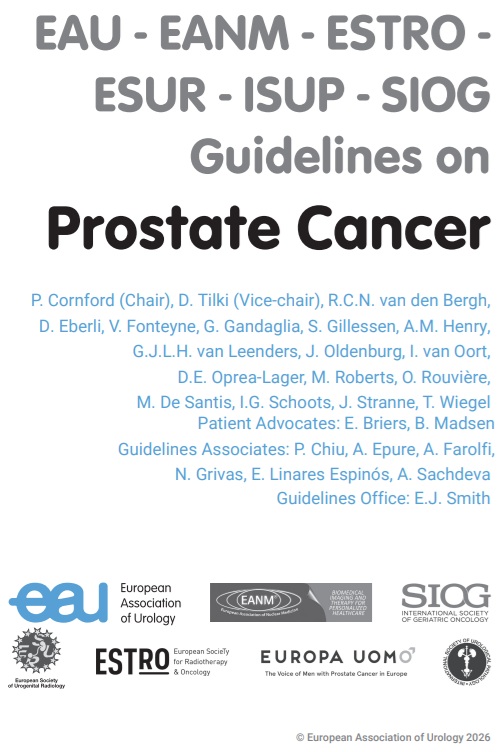
New 2026 EAU Prostate Cancer Guidelines available
The latest Prostate Cancer (PCa) Guidelines provide healthcare professionals with evidence-based recommendations to improve patient care. Developed by an international, multidisciplinary panel -including our chair Erik Briers and Board member Bo Madsen as patient advocates-, the document reflects current best practices in diagnosis and treatment.
The guidelines emphasize that they are not a substitute for clinical judgment. Instead, they support decision-making while allowing for individual patient needs, preferences, and circumstances.
Created in collaboration with leading medical organizations, the guidelines ensure a comprehensive and transparent approach, with all contributors disclosing potential conflicts of interest.
Overall, they serve as a valuable tool for delivering high-quality, patient-centered prostate cancer care.
|
|
|
SPARC: Streamlining PSMA PET/CT Reporting in Prostate Cancer
Our chair Erik Briers has published an editorial on radio-ligand therapy, diagnostics and application in prostate cancer in the March number of European Urology, the flagship publication of the EAU.
The editorial is following an article of Ken Hermann and colleagues on SPARC: ‘The Standardised Prostate-specific Membrane Antigen Positron Emission Tomography/Computed Tomography Analysis and Reporting Consensus: A Delphi Analysis’ in the same issue of the magazine.
The SPARC initiative (Standardised PSMA PET/CT Analysis and Reporting Consensus) brings global experts together to harmonise prostate cancer imaging. Using a structured Delphi process, the panel reached strong agreement on standard frameworks for tumour assessment, staging, and quantitative imaging measures.
Some questions remain, including the impact of PSMA PET/CT on treatment decisions and alignment with conventional risk groups.
By unifying reporting criteria, SPARC improves communication between imaging specialists and clinicians, supporting more consistent, patient-centered care.
|
|
|
Europa Uomo News
A New Addition to the Europa Uomo Team: Welcoming Our Communication and Policy Officer
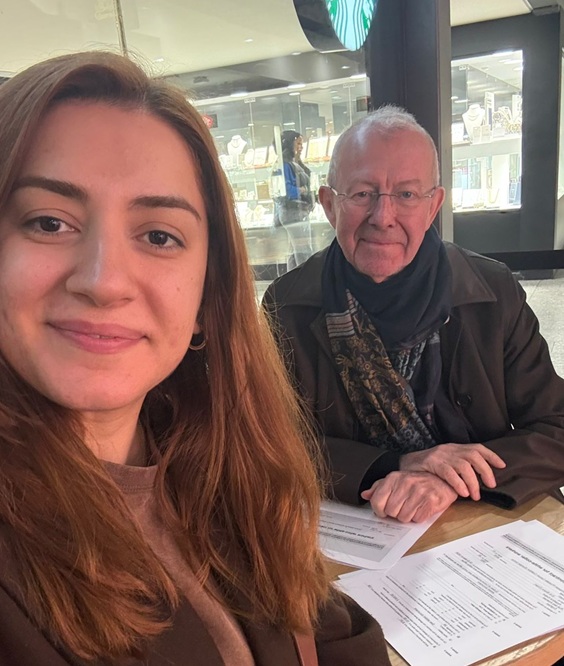
We are delighted to welcome Angelina Kogur to our team as our new Communication and Policy Officer. Originally from Armenia and now based in Brussels, Angelina brings a wealth of experience, fresh perspectives, and boundless energy to our growing team.
Her contact details will be shared as soon as she is fully set up.
|
|
|
Europa Uomo at EAU26 in London
Step Out for Prostate Cancer Run returns to London
On Saturday, 14 March, we proudly hosted the second edition of Step Out for Prostate Cancer in London—a growing charity initiative powered by the European Association of Urology (EAU), Europa Uomo, and Bayer.
Despite the early start, around 170 enthusiastic participants gathered at sunrise, by a shared commitment to raising awareness for prostate cancer. Runners and walkers alike set off along a scenic route following the River Thames, taking in some of London’s most iconic views while supporting an important cause.

The event not only promoted physical activity and community spirit but also served as a meaningful platform to highlight the importance of early detection and patient support. The positive energy and dedication shown by participants reflect the strength of the prostate cancer community and the impact that collective action can achieve.
Following the success of this year’s run, we look forward to building on this momentum and welcoming even more participants in future editions.
A video capturing some of the highlights and atmosphere of the day can be viewed here.
Workshops organised by Europa Uomo
At the EAU26 Congress, Europa Uomo hosted four workshops in the Patient Plaza Theatre:
- The underprivileged patient and shared decision-making
- Patient-reported outcomes after chemotherapy for prostate cancer
- Discrimination against male patients with incontinence and hot flushes
- Radioligand therapy in prostate cancer: the patient perspective on access, availability, and affordability
The slides from these sessions are available here.
EAU26 Medical Nutshell
Dirk Wyndaele, a prostate cancer patient from the Netherlands and member of the Europa Uomo Communication Working Group, attended the EAU Congress 2026 scientific sessions and prepared a congress report.
|
|
|
Partner Inclusion in Prostate Cancer Care: Real-World Evidence from the EU-ProPER Study
The EU-ProPER online survey, conducted by Europa Uomo and based on insights gathered during workshops organized for partners of the Dutch Prostate Cancer Foundation, explored the experiences of partners of men with prostate cancer. The study surveyed 1,135 partners and was complemented by input from clinical experts and patient associations.
The findings indicate that 89% of partners feel able to speak openly about prostate cancer in general. However, communication becomes significantly more difficult when addressing treatment-related side effects such as urinary incontinence and sexual dysfunction, which remain more intimate and often taboo subjects within relationships.
The survey also highlights a gap in information provision by healthcare professionals. While 66% of partners reported receiving information about urinary incontinence, only 20–24% received information regarding intimacy and sexual dysfunction. Notably, 87% of partners believe that information about these side effects should be shared with both partners from the outset of diagnosis and treatment.
Overall, the study underscores the need for more inclusive, couple-centered communication and better support around sensitive quality-of-life issues in prostate cancer care.
Link: https://euoncology.europeanurology.com/article/S2588-9311(25)00249-4/fulltext
|
|
|
Items of Interest
NASPCC Webinar Series
The National Alliance of State Prostate Cancer Coalitions (NASPCC) is organising a webinar on ‘Detecting Prostate Cancer Recurrence After Prostatectomy’ on Friday 10 April 2026 at 9pm CET featuring Dr. Bridget F. Koontz, MD.
Dr. Bridget F. Koontz is a radiation oncologist at AdventHealth Orlando with over 20 years of experience. A Harvard Medical School graduate, she specializes in genitourinary cancers and participates in clinical research, including the SPOTLIGHT trial on prostate cancer recurrence detection.
To register for this event, please click here or visit the NASPCC website.
|
|
|
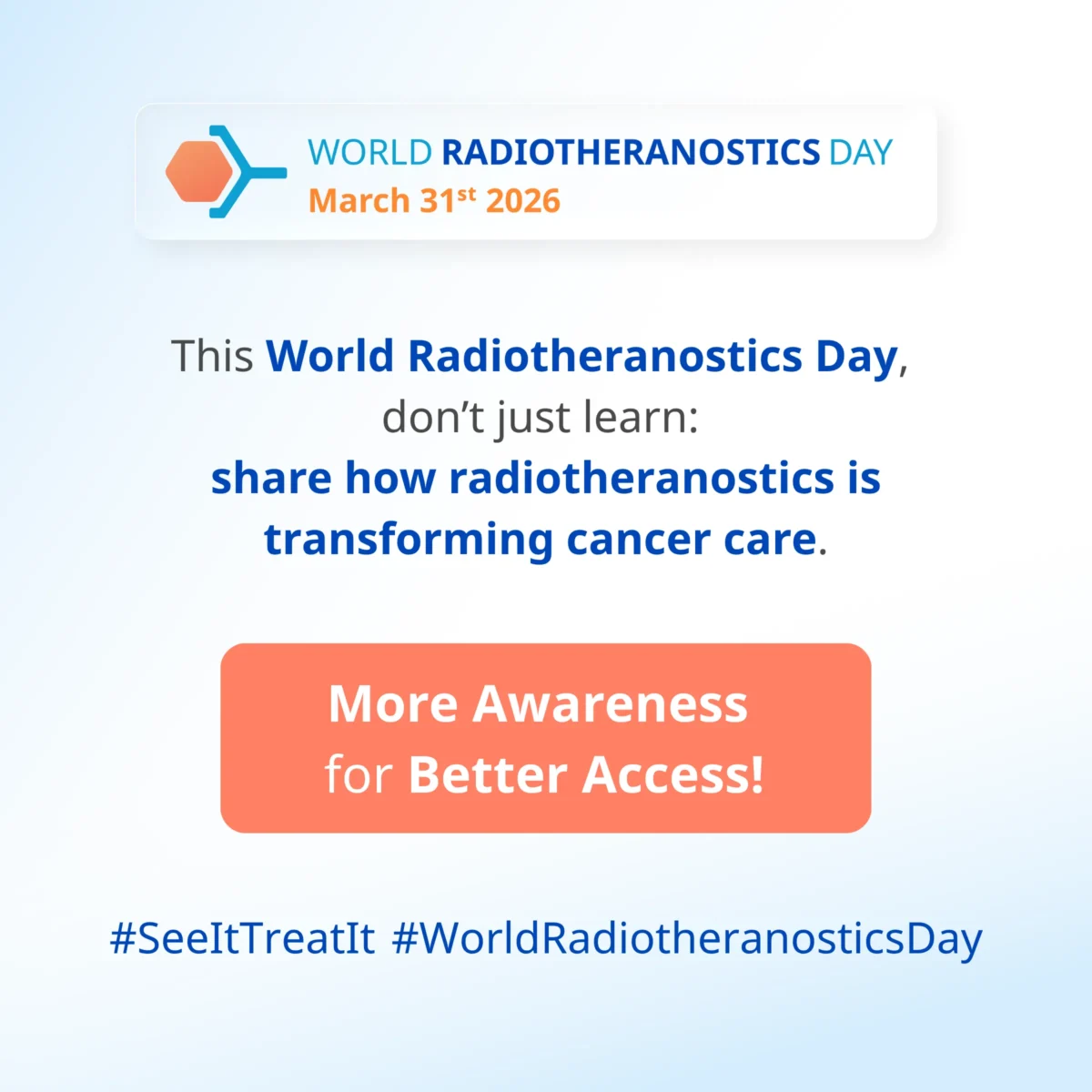
World Radiotheranostics Day - March 31st 2026
Yesterday, on 31 March 2026 it was World Radiotheranostics Day. Europa Uomo proudly expresses its support for this important global initiative.
Radiotheranostics represents a major step forward in the diagnosis and treatment of cancer, combining precision imaging with targeted therapy to improve patient outcomes and quality of life. For the prostate cancer community, these innovations bring real hope for more personalized and effective care.
At Europa Uomo, we stand with patients, healthcare professionals, and researchers worldwide in raising awareness of the potential of radiotheranostics and advocating for equitable access to these life-changing advances across Europe.
Together, we continue working toward better care, better outcomes, and a stronger voice for all those affected by prostate cancer.
|
|
|
|
|
|
FREE SUBSCRIPTION TO EUROPA UOMO MONTHLY UPDATE
All previous issues are available on website: www.europa-uomo.org/newsletters/
|
|