|
In this issue:
|
|
|
|
|
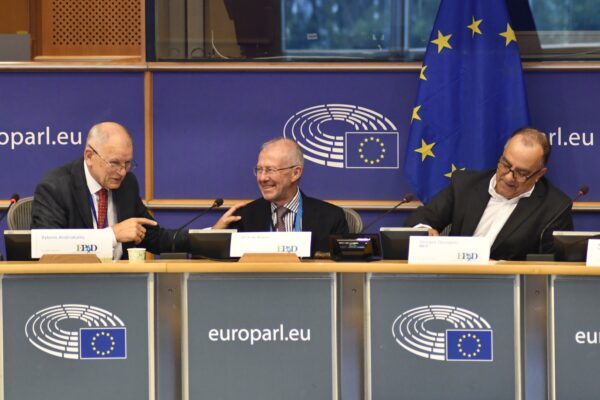
Reinvigorating European action on prostate cancer
European Cancer Organisation focuses on the need for investment in screening and care
|
|
|
|
|
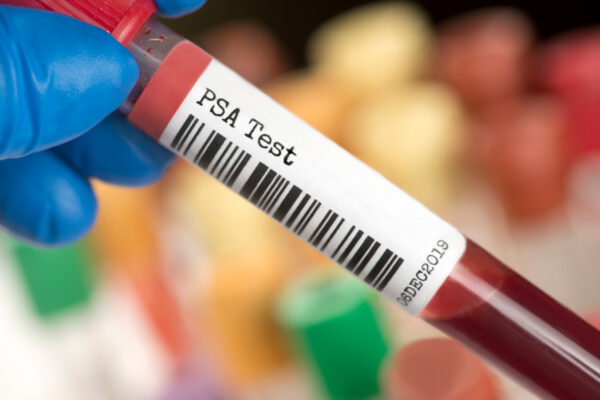
The evidence is clear: screening saves lives
Europa Uomo responds to latest findings from longest-running PSA-testing trial
|
|
|
|
|
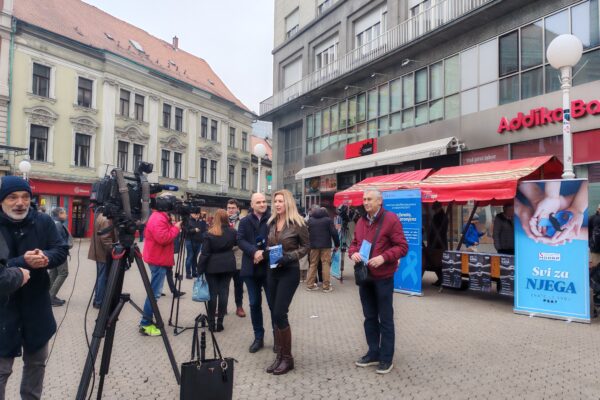
'We will throw ourselves in front of every camera we see!'
Europa Uomo member organisations spread the word about early detection
|
|
|
Prostate Research and Treatments
New drug hope for men with treatment-resistant disease
A new drug called NXP800 is showing early promise for men whose prostate cancer has stopped responding to hormone therapy.
Researchers at The Institute of Cancer Research, London, found that NXP800 can slow the growth of prostate cancer cells, even when standard treatments like enzalutamide no longer work. The drug blocks a stress-response pathway in cancer cells — making it harder for tumours to survive and grow.
In lab and animal studies, NXP800 significantly reduced tumour growth while cancers without the drug continued to grow quickly.
The next step is to begin clinical trials in prostate cancer patients. If successful, NXP800 could become a new option for men with advanced, hormone-resistant disease.
Read the article here.
|
|
|
Genetics unlocks personalised prostate cancer screening
Presentations at EMUC25 highlighted how BRCA mutations and polygenic risk scores (PRS) can guide prostate cancer screening. Men with BRCA2 mutations face up to 40% lifetime risk and are advised to start PSA screening at 40 to 45, while BRCA1 guidelines are still evolving. PRS, a one-time genetic test combining multiple variants, can identify men at high risk who may benefit from earlier or more intensive screening — sometimes catching cancers PSA or MRI miss. Together, BRCA testing and PRS promise a more precise, personalised approach to detecting and managing prostate cancer.
|
|
|
The ASPI report: a clearer picture on grading
According to the newsletter of Active Surveillance Patients International, new research is making surveillance more precise and personalised, giving men confidence and peace of mind in managing their prostate cancer. Research published this Autumn has sharpened our understanding of grading — how prostate cancer’s aggressiveness is measured — and how new tools are improving accuracy.
Read the ASPI report here.
|
|
|
New therapy helps delay recurring prostate cancer
A new trial published in the Journal of Clinical Oncology find that a new treatment called PSMA radioligand therapy, given before targeted radiation, can more than double the time men go without their prostate cancer growing again. Results indicate it also delays the need for hormone therapy, which can cause fatigue and bone loss. Side effects were mild, and the therapy works by finding and treating cancer cells too small to see on scans. This approach offers men more time and better quality of life while fighting recurrent prostate cancer, say the authors.
Read the article here.
|
|
|
Europa Uomo News
Call for national prostate cancer screening in Sweden
The organisation Prostatacancerförbundet is urging the Swedish government to introduce a national prostate cancer screening programme. New PSA-plus-MRI methods enable earlier and more accurate detection, and could prevent up to half of prostate cancer deaths, says Chair Magnus Klang.
Although most regions run local testing trials, a national system is needed to ensure equal access and earlier diagnosis for all men. With 11,000 cases and over 2,000 deaths each year, early detection remains essential.
Read the full article.
|
|
|
Items of Interest
Next level for cancer screening
Early cancer detection remains a critical priority across Europe, and new findings from the European Cancer Organisation’s Prevention, Early Detection and Screening Network highlight both progress and persistent gaps.
Despite strong EU frameworks, the report says that many Member States still lack full implementation of organised screening programmes, and social inequalities continue to limit access. Encouragingly, EU-supported pilot initiatives for prostate, lung and gastric cancer screening are advancing, alongside innovative practices such as mobile units, self-collection kits and culturally tailored communication.
The European Cancer Organisation is calling for sustained EU and national investment to secure the legacy of Europe’s Beating Cancer Plan, ensure equitable screening access, and strengthen quality, data use and early detection capacity across the region.
Read the full report here.
|
|
|
|
|
|
FREE SUBSCRIPTION TO EUROPA UOMO MONTHLY UPDATE
All previous issues are available on website: www.europa-uomo.org/newsletters/
|
|